
In Connecticut, regulators are reinforcing a strict, safety-driven approach to cosmetic medicine. For aesthetic clinics, this means Connecticut in-person requirements for cosmetic procedures apply not only at a patient’s first visit, but each time a patient requests a cosmetic procedure.
This position reflects Connecticut’s interpretation and enforcement of existing medical practice standards and follows increased scrutiny of unsafe cosmetic practices, including so-called “Botox parties.” While telehealth remains valuable in other areas of healthcare, Connecticut does not recognize telehealth as a substitute for in-person evaluation for cosmetic procedures.
For Connecticut-based med spas, injectors, and medical directors, aligning workflows with this expectation is critical to reducing regulatory risk and maintaining patient safety.
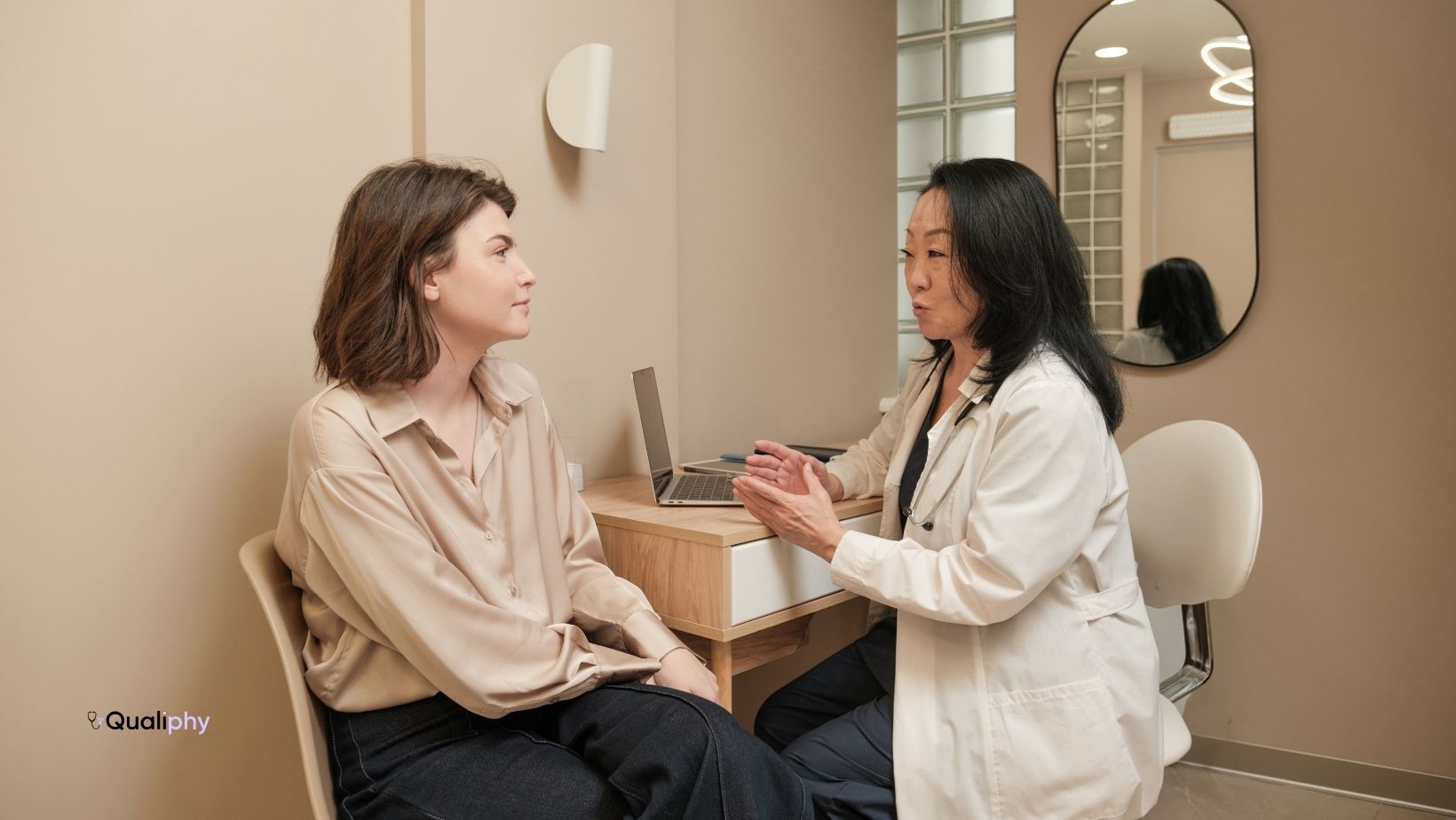
Cosmetic injectables are elective, but they are still medical procedures that require clinical judgment and physical assessment. In Connecticut, regulators focus on whether the standard of care is met for procedures that involve:
Connecticut regulators have expressed concern that remote or convenience-based clearance models do not adequately support these requirements for cosmetic care. As a result, the state is reinforcing that cosmetic decision-making must occur face to face.
A key factor driving increased enforcement in Connecticut has been heightened attention on cosmetic injections performed outside traditional clinical settings, often referred to as “Botox parties.”
These events have raised repeated concerns related to:
From Connecticut’s perspective, these risks underscore why cosmetic procedures should be evaluated and authorized in person within a proper clinical environment.
While Connecticut statutes do not publish a cosmetic-specific checklist, enforcement is grounded in existing standards of care and scope-of-practice requirements overseen by the Connecticut Department of Public Health and the Connecticut Medical Examining Board.
Before performing cosmetic injectables such as neuromodulators or dermal fillers, clinics should ensure the patient undergoes an in-person clinical evaluation. Virtual consultations do not replace this requirement for cosmetic procedures in Connecticut.
A common compliance misunderstanding is assuming that one in-person visit covers all future cosmetic treatments.
In Connecticut:
From a regulatory standpoint, each procedure stands on its own and should be evaluated accordingly.
Although telehealth is widely used across healthcare, Connecticut does not treat telehealth as an equivalent substitute for in-person cosmetic evaluation.
Even when:
Cosmetic procedures still require face-to-face clinical judgment in Connecticut.
Connecticut regulators rely on a core principle: the standard of care must be met for every medical procedure. For cosmetic injectables, that standard often depends on physical examination and real-time clinical assessment that cannot be replicated remotely.
Because cosmetic procedures:
Connecticut treats in-person evaluation as a necessary component of safe cosmetic care.
Many Connecticut clinics create risk unintentionally by relying on assumptions that no longer align with enforcement expectations.
Each cosmetic procedure should be evaluated independently and in person.
In Connecticut, telehealth is not appropriate for authorizing cosmetic injectables.
Promoting “virtual cosmetic clearance” or similar language can draw regulatory scrutiny, even if treatments occur in a clinic.
Regulatory review often begins quietly and escalates if deficiencies are identified. Possible outcomes include:
Reviews may be triggered by patient complaints, adverse events, or routine audits.
Ensure all cosmetic evaluations are conducted in person and clearly documented.
If your clinic offers telehealth for other services, make sure cosmetic procedures are operationally and procedurally distinct.
Scheduling and intake teams should understand when in-person visits are mandatory.
Non-clinical settings may increase compliance risk if they do not meet Connecticut’s expectations for medical care.
Connecticut’s enforcement posture reinforces a straightforward expectation:
Cosmetic procedures require in-person evaluation, and each cosmetic procedure must be assessed individually.
Telehealth remains an important tool in healthcare, but for cosmetic injectables in Connecticut, in-person clinical judgment is essential. Clinics that align with this expectation reduce regulatory exposure and strengthen patient safety and professional credibility.
References (Connecticut-Focused, Public, and Searchable)
Regulatory Disclaimer
This article is for educational purposes only and does not constitute legal advice. Connecticut regulations and enforcement interpretations may change. Clinics should consult qualified healthcare counsel and appropriate Connecticut licensing authorities for guidance specific to their operations.
Times shown in — ·
Nearest alternative preselected · form untouched ·
You’ll get a calendar invite with the video link. Bring your current intake form and the states you operate in — that’s enough for us to map your routing live.
We can’t load live times right now. You can still book — this opens our scheduler directly, same availability, same rep.
Or email demo@qualiphy.me and a specialist replies within the business day.